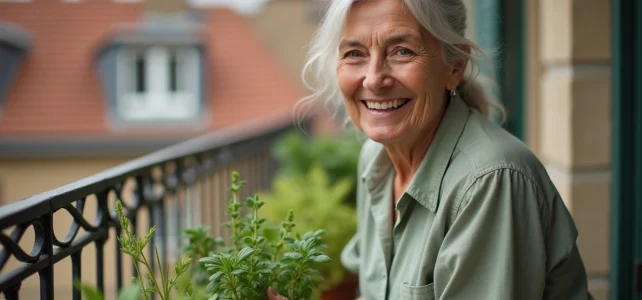
A former colleague, six months after his farewell party, confessed to spending his mornings wandering around in a too-quiet apartment. The problem was neither financial nor medical: no one had explained to him that retirement should be prepared like a project, with concrete steps and specific points of attention. Living fully in retirement and aging well relies on measurable actions, not on wishful thinking.
Prevention assessment after 60: a still underutilized system
The 2023 Social Security financing law introduced prevention assessments covered by Health Insurance for the age groups 60-64 and 70-74. This is not just a simple medical check-up. The assessment includes identifying sensory disorders (hearing, vision), evaluating physical frailty, and a section dedicated to social isolation.
In practice, one makes an appointment with their primary care physician or a trained nurse. The professional then directs them to adapted physical activity workshops, nutrition actions, or specific follow-up if a risk is identified. The problem is that many retirees are still unaware that this assessment exists and that it costs nothing.
For those looking for an entry point into the daily news about retirement, resources like seniorsdesinfos.fr regularly gather practical information on health, rights, and assistance available to seniors.
Senior-friendly neighborhoods: how urban planning changes retirement daily
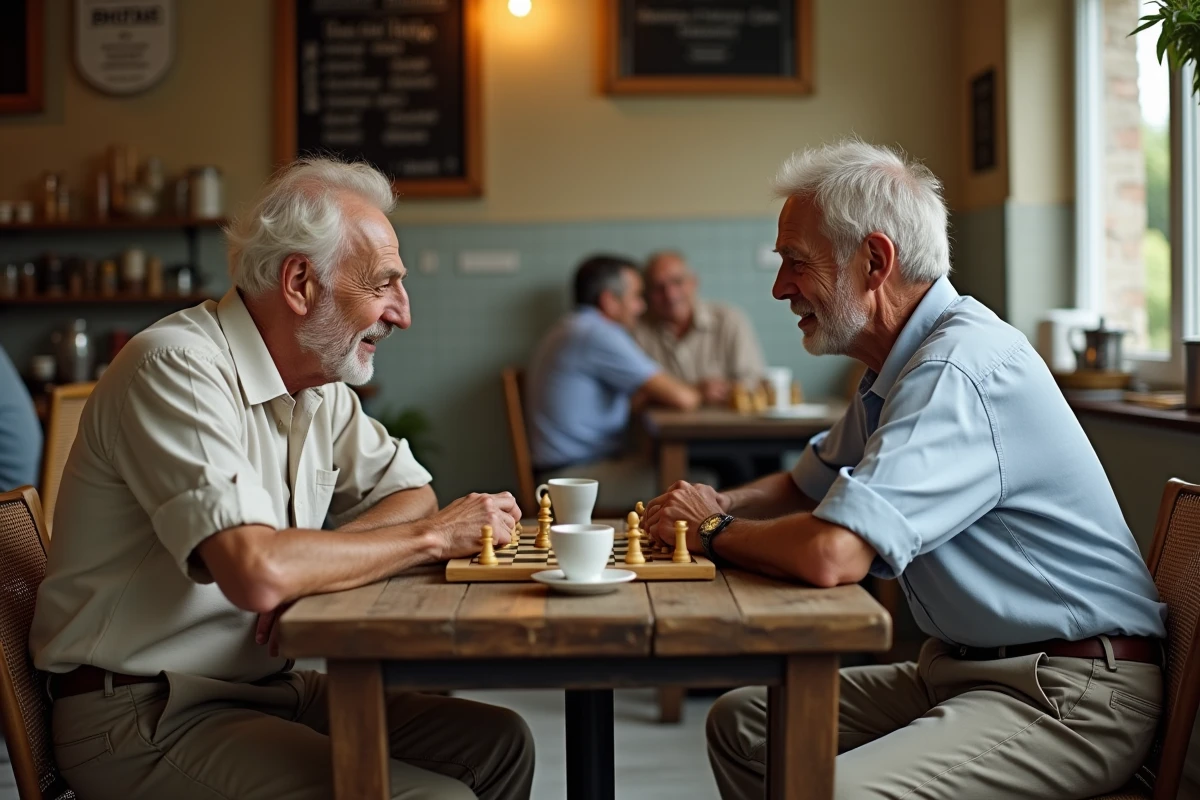
We don’t always think about it, but the layout of one’s neighborhood weighs as much as diet on quality of life after 60. Since 2022-2023, several French cities and departments have been testing “senior-friendly neighborhoods” as part of the WHO’s “Age-friendly Cities” program.
In practical terms, this means having benches placed close together along pedestrian paths, simplified signage, shops trained to welcome seniors, and calm streets where vehicle speed is reduced. In Lyon, the Metropolis has integrated this framework into its gerontological plan for 2023-2028, with experiments of co-designed streets with elderly residents.
What changes for a retiree living in one of these areas is the ability to do their shopping on foot without apprehension, to stop regularly, and to meet neighbors. Staying mobile in one’s neighborhood delays the loss of autonomy much more effectively than any dietary supplement.
Check if your municipality participates in the WHO network
The global network “Global Network for Age-friendly Cities and Communities” by WHO lists the engaged communities. You can search for your city on the WHO website or directly contact the municipal social action center (CCAS) of your town hall. If the municipality is not yet engaged, neighborhood councils or local retiree associations can be a lever to push for the request.
Adapted physical activity: choosing what lasts
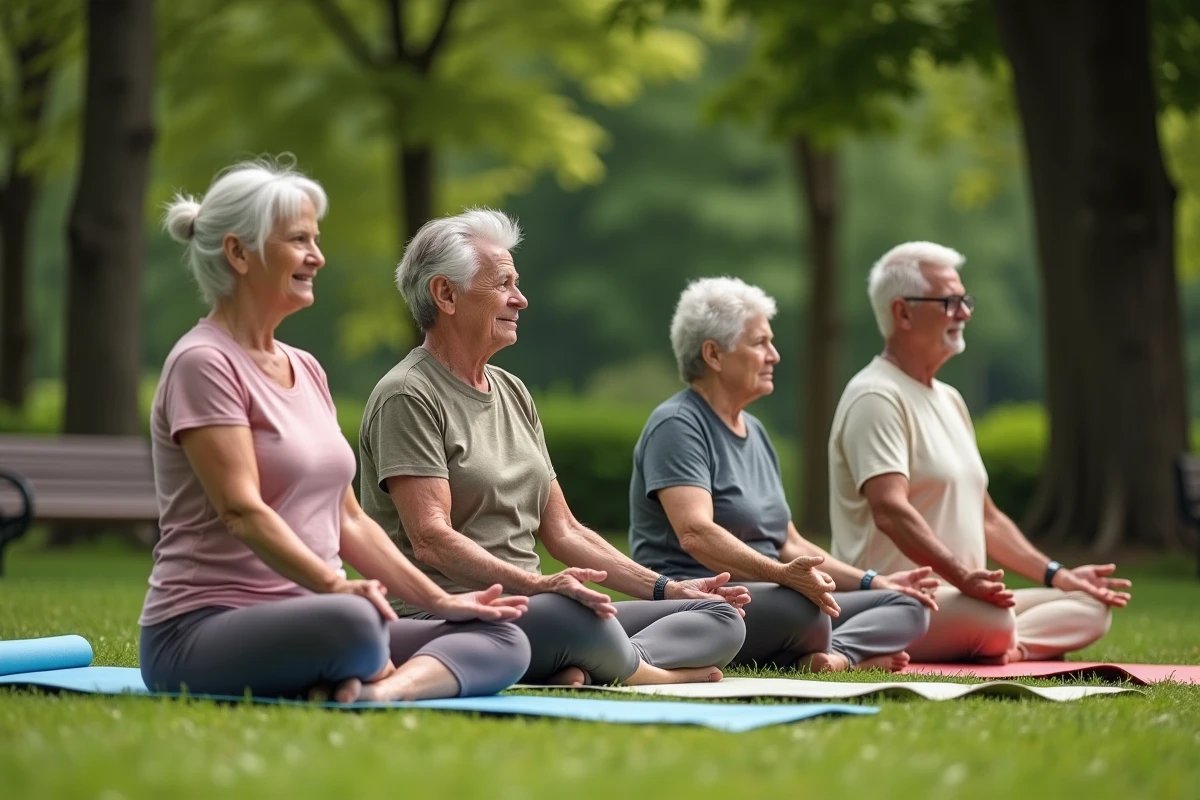
Advice on physical activity in retirement often sounds similar: walk, swim, do yoga. The real issue is not choosing a sport, but finding a practice that one will maintain beyond the first three months.
Feedback varies on this point, but several elements recur among retirees who stick to their routine:
- A fixed-time group activity, because social commitment prevents dropping out when motivation wanes
- A location accessible on foot or by public transport, to eliminate logistical excuses on rainy or tiring days
- A progressive intensity supervised by a professional trained in adapted physical activity, not just a fitness coach
The prevention workshops offered by retirement funds often include balance and muscle strengthening sessions. These programs are designed for individuals who haven’t exercised for years, making them more realistic than a gym membership.
Social connection and mental health: the invisible risk of retirement
The loss of the professional framework suddenly eliminates most daily social interactions. One goes from dozens of conversations a day to sometimes just one. Social isolation is identified in prevention assessments just like physical disorders, showing how seriously health authorities take this risk.
Maintaining an active social connection does not mean “seeing people occasionally.” It involves creating recurring appointments that do not solely depend on family.
- Volunteering in a local association provides a structured framework with light but regular responsibilities
- Memory or nutrition workshops organized by retirement funds or mutuals allow meeting people of the same age in a non-medical context
- Intergenerational activities (homework help, shared gardens) break down insularity and provide different cognitive stimulation
Spotting signs of isolation in oneself or a loved one
A useful reflex: count the number of real conversations (not text exchanges) one has had in the week. Below three or four significant exchanges, the risk of isolation becomes concrete. Reacting early prevents isolation from turning into lasting withdrawal.
The prevention assessment mentioned above includes this aspect, but one does not need to wait for a medical appointment to act. Calling the CCAS of one’s municipality allows quickly obtaining a list of accessible collective activities nearby.
Aging well is about making concrete choices: requesting a prevention assessment, checking the accessibility of one’s neighborhood, signing up for a supervised physical activity, structuring weeks around fixed social appointments. Each of these levers has a measurable effect on autonomy and morale, provided they are activated before difficulties set in.