The Pays de Retz extends between the Loire estuary and the Bay of Bourgneuf, in an area where salt marshes, hedgerows, and rocky coastline intersect. What criteria allow us to distinguish the different facets of this destination in southern Loire-Atlantique, and how do its heritage, natural, and recreational assets compare from one micro-zone to another?
Coastline, marshes, and hedgerows: three natural environments of the Pays de Retz compared
The territory is not limited to a coastal strip. Three major landscape units coexist, each with distinct uses and biodiversity.
Read also : When do Costa cruises start? Discover the secrets of an unforgettable journey
| Environment | Associated municipalities | Nature assets | Main activities |
|---|---|---|---|
| Coastline (dunes, cliffs) | Pornic, Saint-Brevin-les-Pins, La Bernerie-en-Retz | Dune flora, coastal birdlife, fishing on fixed nets | Swimming, shore fishing, Vélocéan (EuroVelo 1) |
| Marshes (salt pans, wetlands) | Les Moutiers-en-Retz, Bourgneuf-en-Retz, Villeneuve-en-Retz | Marsh birds, restored salt pans, reed beds | Salt pan visits, hiking, birdwatching |
| Interior hedgerows | Cheix-en-Retz, Machecoul-Saint-Même, Saint-Philbert-de-Grand-Lieu | Acheneau River, wet meadows, Grand-Lieu Lake (proximity) | Canoeing, cycling routes in the countryside, built heritage |
The coastline attracts summer visitors. In contrast, the marshes and hedgerows remain underexplored by visitors, even though they host a significant portion of local biodiversity.
Since 2022, several coastal municipalities like La Bernerie-en-Retz and Les Moutiers-en-Retz have participated in municipal biodiversity atlases, an initiative supported by the French Biodiversity Office and the Sud Retz Atlantique Community of Municipalities. These inventories cover marsh birds, dune flora, and wetlands, with the aim of integrating the green and blue framework into urban planning documents.
Read also : Discover the best motorcycle and bicycle deals for all enthusiasts
To explore all these environments and plan a stay, the resources available on coeurpaysderetz.fr help identify accessible natural sites according to the season.
Historical heritage of the Pays de Retz: salt, fortifications, and marshland architecture
The built heritage of the Pays de Retz directly reflects the economic history of the territory. Two sectors have left visible traces in the landscape: the salt trade and the medieval lordship.
Bourgneuf-en-Retz and the salt heritage
Bourgneuf-en-Retz was one of the most active ports on the Atlantic for the salt trade, from the Middle Ages until the end of the 18th century. The salt pans had been abandoned for centuries when salt workers began restoring salt pans like Omega and Alpha, the latter having not produced salt since 1921.
These reconstructions are not merely museographic: they produce salt, which distinguishes them from most marine heritage sites along the French Atlantic coast. The Pays de Retz Museum, located in Villeneuve-en-Retz, complements this understanding of the territory with collections documenting local rural and maritime life.
Machecoul-Saint-Même and the fortifications
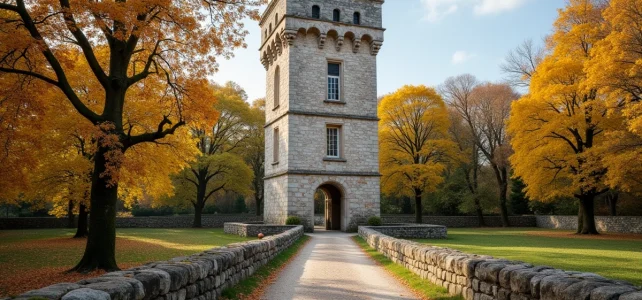
The Machecoul castle, linked to the history of Gilles de Rais, serves as a heritage landmark of the hedgerows of Retz. The medieval remains of the Pays de Retz are concentrated in the hinterland, far from the tourist coastline, creating a contrast between the coastal notoriety of the destination and the heritage density of the inland areas.
Vélocéan and cycling tourism in Loire-Atlantique: the Retz section on the rise
The passage of EuroVelo 1 (Vélocéan) through the Pays de Retz, between Saint-Brevin-les-Pins and Pornic, has benefited from several redeveloped or secured sections between 2021 and 2024. The 2023 Bicycle Barometer in Pays de la Loire specifically highlights the coastline of the Pays de Retz as a rapidly growing area for cycling travel, with a marked increase in summer cycling tourism measured by departmental counters.
This dynamic changes the profile of the destination. The average cycling tourist stays longer than a day visitor and spends money in intermediate municipalities that classic beach tourism does not reach.
- The coastal section connects Saint-Brevin-les-Pins to Pornic along cliffs and beaches, with secured sections on dedicated paths.
- Internal loops allow access to Machecoul-Saint-Même or Grand-Lieu Lake via the hedgerows, on low-traffic roads.
- Cheix-en-Retz offers a cycling hiking circuit along the Acheneau, combining built heritage (the Pierre Tremblante) and river landscapes.
Biodiversity atlas and wetland protection in the Pays de Retz
The naturalist inventories launched since 2022 are not anecdotal. They condition future development decisions in a territory under increasing land pressure, fueled by the proximity of Nantes (less than an hour’s drive).
The integration of the green and blue framework into urban planning documents means that certain plots along marshes or wetlands could see their buildability restricted. For visitors, this translates into a territory that actively preserves its landscapes, unlike more urbanized portions of the Vendée coastline.
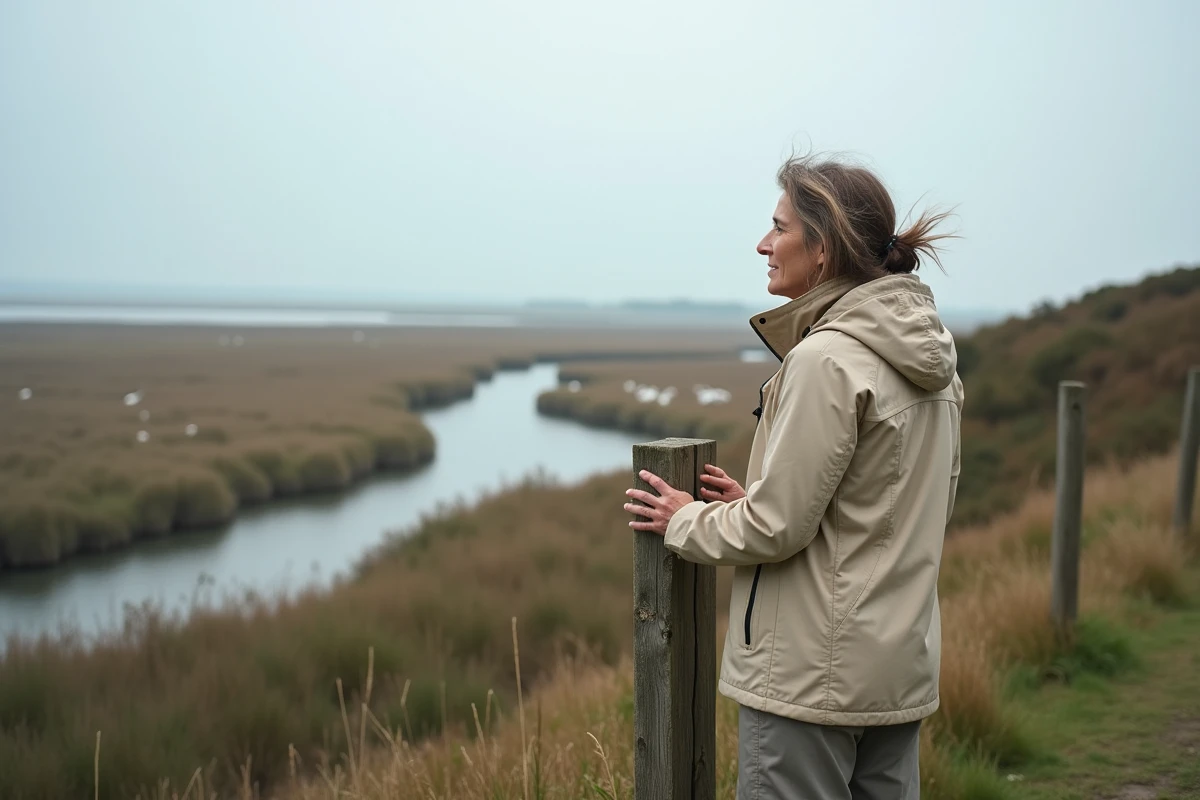
The marshes of the Bay of Bourgneuf constitute an ecological corridor linking Grand-Lieu Lake to the ocean. The ornithological quality of this area (herons, spoonbills, avocets) makes it a site for observation comparable to the Guérande marshes, but with significantly lower visitor numbers.
Destination Pornic and the hinterland: two tourist logics in the Pays de Retz
Pornic concentrates accommodation offerings, nautical events, and the notoriety of the destination. The hinterland (Machecoul, Cheix-en-Retz, Villeneuve-en-Retz) offers dense heritage and preserved landscapes, but with more limited hospitality infrastructure.
Cycling tourism and biodiversity atlases are gradually redistributing attractiveness inland. The municipalities of the hedgerows, long in the background, are gaining visibility thanks to cycling routes and participatory naturalist initiatives. This redistribution remains slow, but it differentiates the Pays de Retz from other coastal destinations in Loire-Atlantique where the hinterland remains a tourism blind spot.