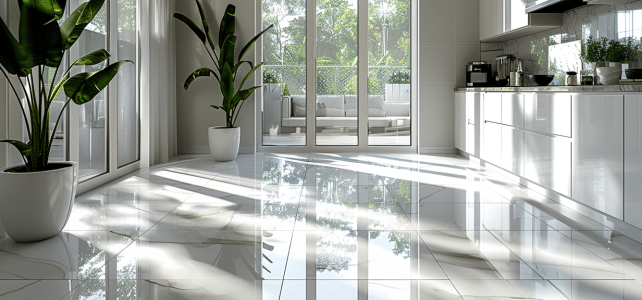
Over time, the tiling in your home may lose its shine or show signs of wear, affecting the overall aesthetic of your living space. Fortunately, there are various methods to revive the appearance of these hard surfaces. Whether through deep cleaning, repairing grout, applying a specific coating, or even painting, the options for refreshing are diverse. Each technique offers its own advantages and can be tailored according to the current condition of the tiles and the desired outcome. Exploring these methods can radically transform your interior without requiring a complete renovation.
Finishing techniques to enhance your tiling
The careful finishing of the tiling is the final touch that can transform a room. Among the key elements, the finishing strip plays a significant role in the protection of tile edges and adds a refined aesthetic. Available in various materials such as stainless steel, aluminum, or plastic, it adapts to the environment and style of your interior.
Installing a finishing strip for tiling after installation is done in several steps. Start with a preparation of the area, ensuring that the tiles are clean and dry. The application of tile adhesive will ensure the lasting attachment of the strip to the wall or floor tiles. Accurate measuring and cutting of the strip is crucial: use a metal saw for metal strips and a fine-toothed saw for plastic ones.
Beyond practical aspects, the strips contribute to a visual harmony between different sections of the tiling, whether in your bathroom or kitchen. This finishing method is part of a personalization and beautification approach, allowing for the covering of imperfect cuts and providing an elegant transition between tiled surfaces.
Consider the impact of the material chosen for the strip. Stainless steel offers a modern look and is ideal for wet areas like the shower. Aluminum, lightweight and durable, lends itself to a variety of finishes and colors. Plastic, on the other hand, provides an economical solution and ease of cutting. Each option represents a compromise between aesthetics, functionality, and budget, which every expert will assess to meet the specific requirements of each project.
Practical tips for maintaining and preserving the aesthetics of tiling
Regular cleaning is essential to maintain the beauty of your tiling. Choose suitable products, avoiding acidic or abrasive substances that could damage the surface. For stone tiles or those with a special effect, opt for specific cleaners that preserve the original look and texture. A gentle sweep or vacuum can remove debris before mopping with a damp mop.
Beyond the daily routine, a special wax for tiles can be applied periodically to enhance shine and provide an additional protective layer. This approach is particularly relevant for high-traffic areas or those exposed to water, such as the shower or kitchen floor. The wax forms a protective film that facilitates later cleaning and limits dirt adherence.
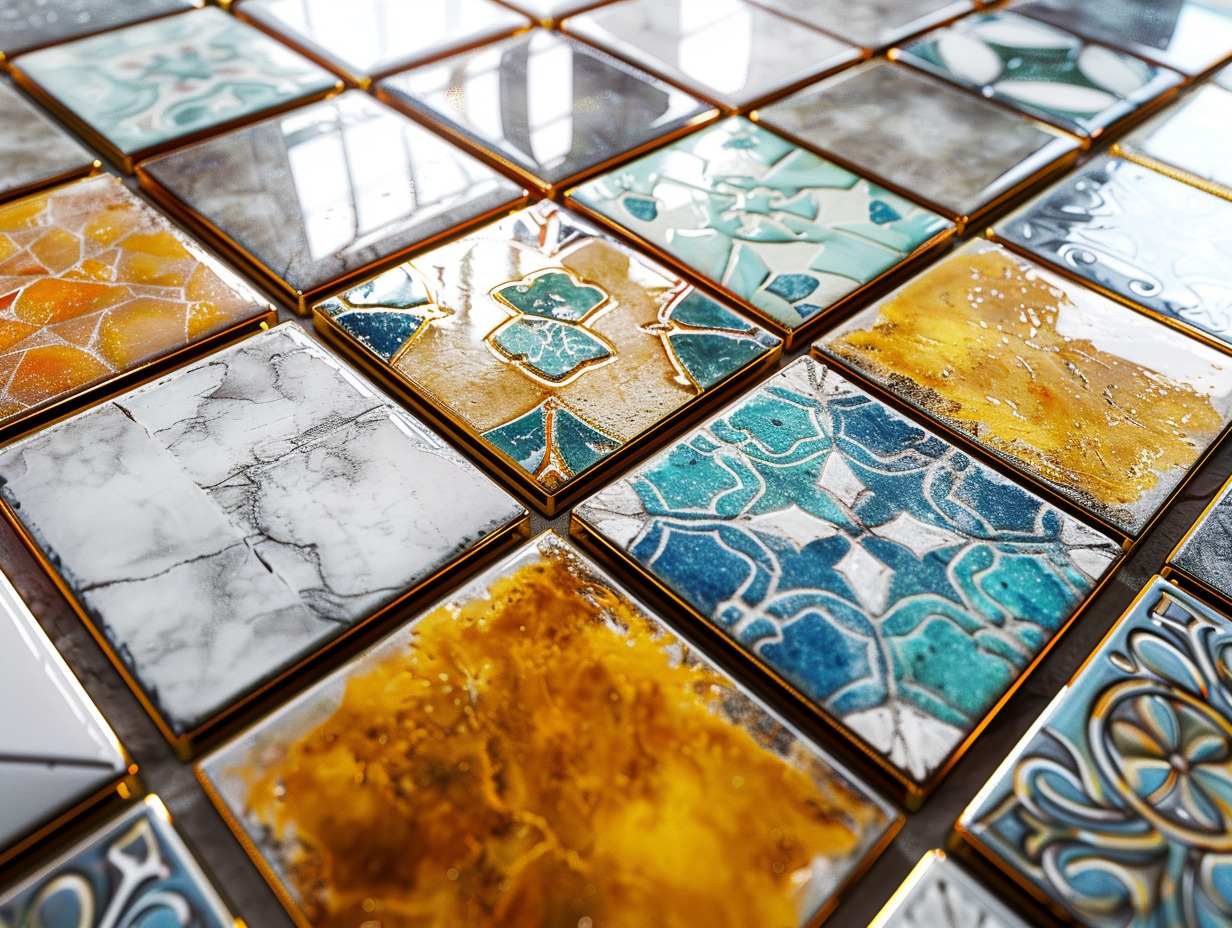
For coverings that have lost their luster, consider tile paint or decorative coating. These solutions allow for refreshing the space without undertaking heavy work. Paint offers a quick renovation and can be applied to both wall tiles and floors. The choice of colors and finishes is vast, allowing for customization according to your desires.
In the case of old tiles or heavily used surfaces, epoxy resin proves to be a durable renovation option. Its shock resistance and waterproofing make it a wise choice for bathrooms and kitchens. Its application requires careful preparation of the substrate, ensuring a uniform and lasting result. Follow the manufacturer’s recommendations for implementation in accordance with quality and safety standards.