Everyday cooking oscillates between two realities: the lack of time during the week and the desire to eat dishes that provide real pleasure. A roasted chicken with skin that crackles under the bite, a tomato sauce simmered with a hint of parmesan, autumn vegetables grilled with a touch of honey: indulgent recipes find their place at every meal.
Behind each preparation, choices of ingredients and cooking methods determine whether the result will be bland or memorable.
High-temperature cooking: what recipes forget to specify
The quest for crispiness dominates online recipe searches. Air fryer, convection oven, grill: methods multiply to achieve a golden texture on chicken, potatoes, or root vegetables.
An air fryer recipe does not automatically become healthier. The appliance reduces the addition of fats compared to traditional frying, but the balance of the dish depends on the ingredients, salt, and accompaniments. An ultra-processed nugget cooked in an air fryer remains an ultra-processed product.
Furthermore, Anses reminds us that acrylamide forms during high-temperature cooking of starchy foods. For a recipe of sautéed potatoes, aiming for a golden color rather than very dark limits this exposure. This detail changes the preparation: moderate temperature, respected cooking time, no excessive preheating.
When you seek to access gourmandisesetcie.fr cuisine, you will find ideas that take these parameters into account without sacrificing taste.
Tomato sauce and stews: the foundation of a gourmet meal during the week
A homemade tomato sauce transforms an ordinary pasta dish into a complete meal. The difference with an industrial product lies in three elements: cooking time, the quality of the tomato, and gradual seasoning.
Sautéing a chopped onion, adding peeled tomatoes (canned, out of season), then letting it reduce for about twenty minutes is sufficient. The natural sugar of the tomato concentrates as the water evaporates. Adding salt at the end of cooking avoids having to compensate for an overly acidic flavor.
Variations for every night of the week
The same base tomato sauce serves several distinct recipes:
- With red lentils and cumin, it becomes a complete plant-based dish, rich in protein, that does not try to imitate meat but offers its own texture.
- With sliced chicken and smoked paprika, it transforms into a sauce for tacos or wraps to assemble with family.
- With grilled eggplant and crumbled feta, it creates a Mediterranean gratin ready in under forty minutes.
A single base preparation opens three to four different meals during the week. This modular cooking principle reduces time spent in the kitchen without falling into monotony.
Autumn vegetables: recipes that go beyond soup
The autumn reflex is to turn squashes, leeks, and mushrooms into soups. While velouté has its merits, it reduces these ingredients to a uniform puree that becomes tiresome after a few weeks.
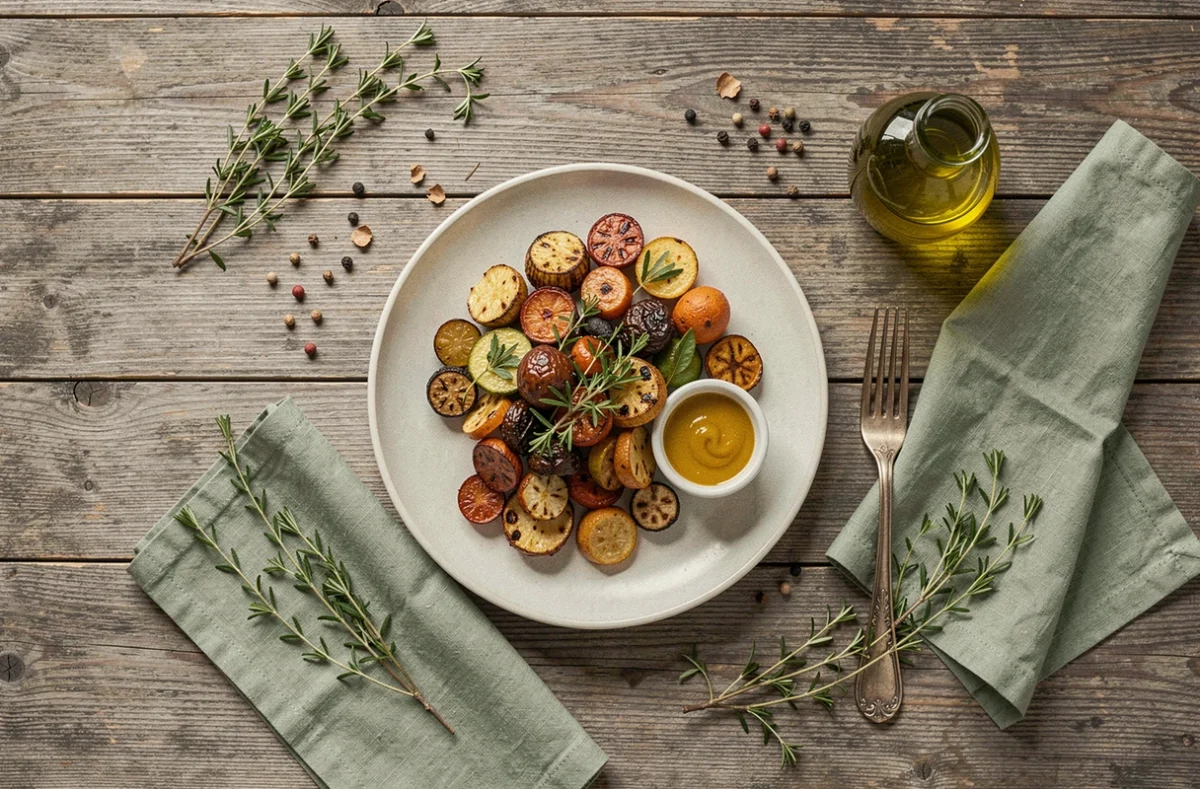
Roasting butternut squash in wedges with a drizzle of olive oil and fresh thyme brings out a caramelized flavor that soup does not allow. Paris mushrooms or oyster mushrooms, sautéed over high heat with a crushed garlic clove, develop aromas that cooking in broth drowns out.
The gratin as an alternative to velouté
A leek and potato gratin, with a light béchamel, offers a complete dish for an autumn evening. The preparation takes no more than fifteen minutes before baking. The oven does the rest.
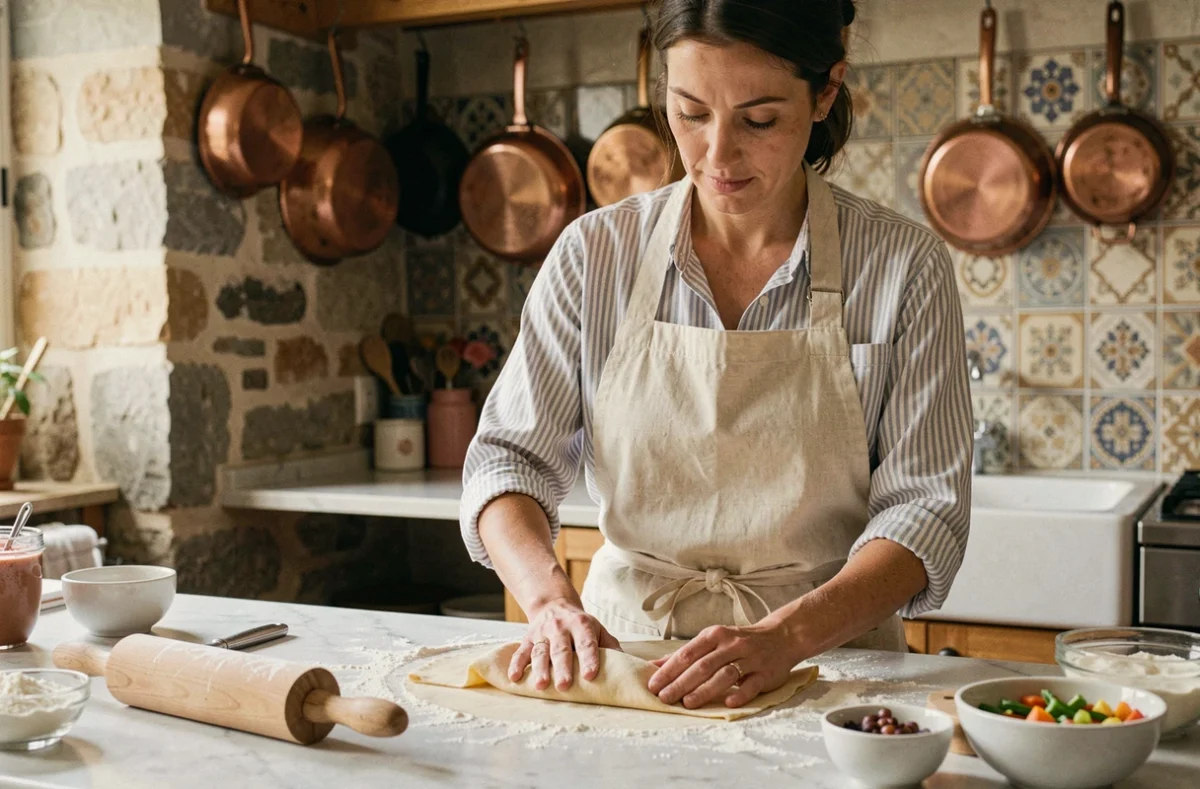
For the mushrooms, a savory tart with a shortcrust pastry (store-bought or homemade) and a cream-egg-cheese filling takes less than half an hour of active work. The result radically changes from the daily soup and highlights the unique texture of each vegetable.

Anti-waste and expiration dates: a common trap in everyday cooking
Gourmet cooking every day involves managing your stocks. The confusion between two types of dates on packaging causes considerable waste.
The DLC (“to be consumed until”) is a strict health limit: it concerns fresh products like meat, fish, and dairy products. Exceeding it presents a real risk.
The DDM (“to be consumed preferably before”) concerns organoleptic quality. A plain yogurt a few days past its DDM, spices whose DDM has passed, dry pasta: these products remain consumable. Throwing away an ingredient that is still good amounts to wasting a potential meal.
This distinction changes the way to approach recipes for the week. A bit of fresh cream close to its DLC becomes the base of a sauce for pasta that same evening. Slightly wilted vegetables transform into a quiche filling or ratatouille.
Plant proteins: gourmet recipes without trying to imitate
Lentils, chickpeas, and beans are best cooked for what they are, not as substitutes. A chickpea curry with coconut milk and fresh spinach does not seek to replace a chicken curry. It is a dish in its own right, with its own richness.
Green lentils, cooked with an onion studded with cloves and then seasoned with mustard and vinegar, create a warm salad that pairs well with both a lunch meal or a light dinner. Plant-based cooking works better as pleasure cooking than as substitution.
Pairing a grain (rice, bulgur, couscous) with a legume in the same dish completes the amino acid profile without needing supplements. This principle, known for centuries in Mediterranean and Asian cuisines, produces naturally indulgent recipes.
Everyday cooking relies less on spectacular techniques than on concrete choices: respecting cooking times, using ingredients before they spoil, giving as much attention to a legume dish as to a piece of meat. The most satisfying recipes often start from a constraint (a leftover to use, a seasonal ingredient, a quarter of an hour ahead) and transform it into an excuse to eat well.